- (+61) 2 9492 – 7999
- info@hipmedia.com.au
- Mon - Fri: 9:00 - 18:30





To most Australians, the word “baijiu” still draws a blank stare. Say it slowly — “byejee-oh” — and you might get a curious tilt of the head. Yet this clear, fiery spirit is the most consumed liquor on the planet. In 2012 alone, 1.25 billion nine-litre cases were sold worldwide — more than the entire global volume of every other spirit combined. By value, baijiu generated US$92.4 billion that year, and even with a domestic slowdown in China, the category is still forecast to grow steadily toward US$149 billion by 2033.
For thousands of years it has been woven into the fabric of Chinese life: offered to gods, toasted by emperors, gifted to warriors, and poured at every banquet from village weddings to state dinners. Now, carried by a 1.39 million-strong Chinese- Australian community and an increasingly adventurous drinking public, baijiu is quietly taking root here. You can already find it at Dan Murphy’s, BWS, Liquorland, independent bottle shops, and almost every licensed Asian grocer from Sydney to Perth. The question is no longer “Will baijiu succeed in Australia?” but “How big will it get?”
A 9,000-YEAR STORY IN ONE SMALL CUP
Archaeological evidence now pushes the first deliberate fermentation in China back to 7000–5800 BCE; mixtures of rice, honey, and wild fruit used in ritual. Alcohol was not entertainment; it was sacred, a bridge to the heavens. Over millennia the myths multiplied: a “God of Liquor” rewarding benevolent emperors, celestial fairies descending with heavenly wine, even drunken monkeys leaving fruit in stone hollows only to return and discover the first natural fermentation.
The real revolution arrived with Qu, dense bricks of wheat or barley inoculated with wild yeasts and bacteria from the local environment. First documented in the Zhou Dynasty (1046–256 BCE), Qu allowed the Chinese to ferment and distil in ways the rest of the world would not master for another thousand years. By the Han Dynasty (206 BCE–220 CE), refined Qu produced stronger, more complex “yellow wines” that became imperial favourites. Distillation, probably introduced via the Silk Road around the 10th century CE, finally gave birth to the high-proof, crystal-clear spirit we recognise today as baijiu.
THE BOTTLE THAT CHANGED THE WORLD
The defining modern moment came in 1915 at the Panama-Pacific International Exposition in San Francisco. Chinese delegates watched Scotch, Cognac, gin, and vodka draw crowds while their own stand sat ignored. In a stroke of genius (or desperation), a representative from Maotai town deliberately smashed a bottle on the floor. The explosive aroma of soy, dried fruit, earth, and smoke filled the hall. Judges rushed over. China walked away with a gold medal shared only with Scotch and Cognac. The three rival Maotai distilleries were later merged by government decree into what is now Kweichow Moutai, currently the most valuable liquor company on earth.
In 1949, Premier Zhou Enlai declared baijiu China’s national spirit and chose Moutai as the official drink of diplomacy. It has since been poured for Nixon, Kissinger, Queen Elizabeth II, and countless world leaders. China now has roughly 14,000 distilleries, many of which are tiny, local operations that never leave their home province.
HOW BAIJIU IS ACTUALLY MADE (AND WHY NOTHING ELSE TASTES LIKE IT)
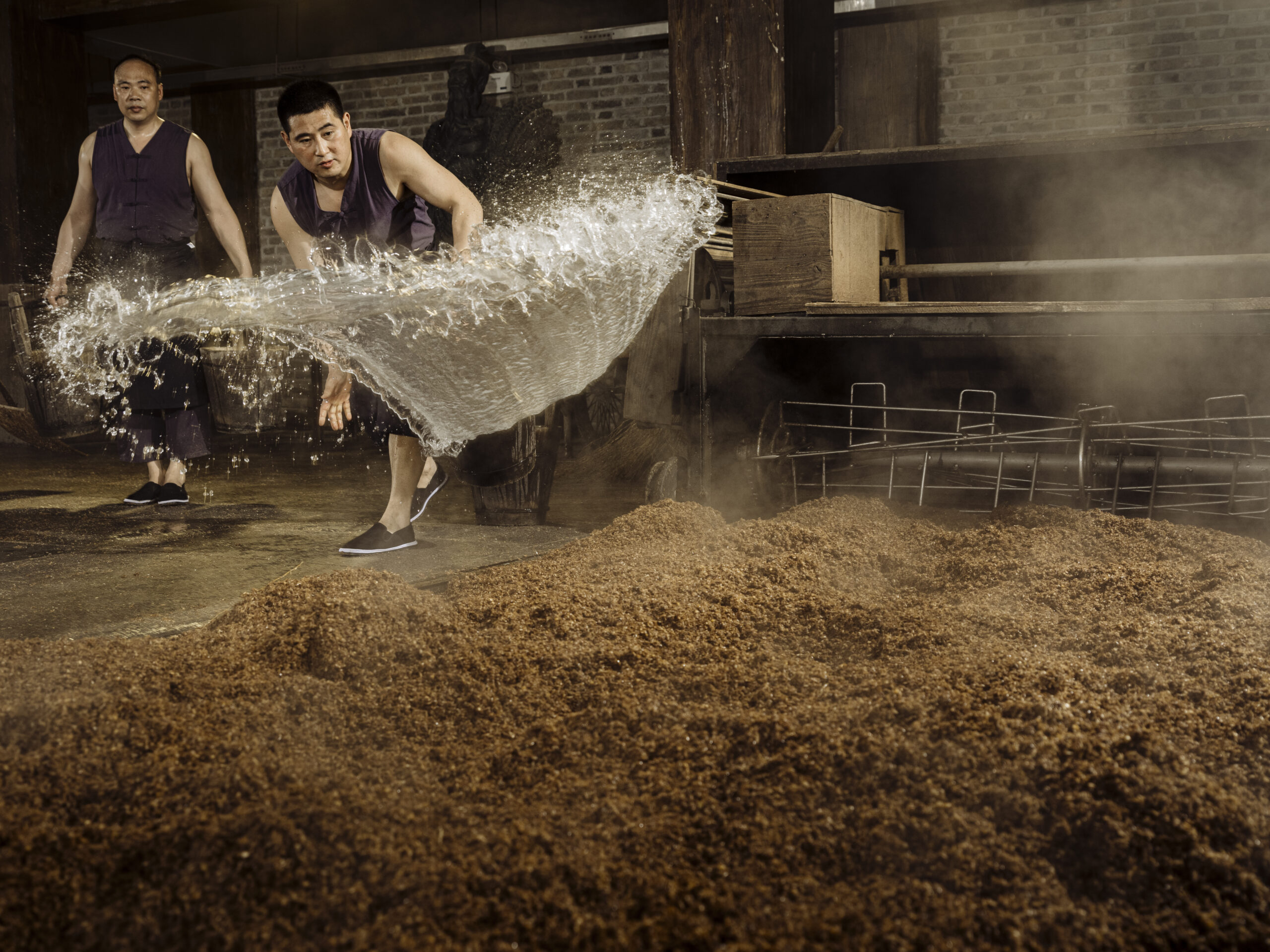
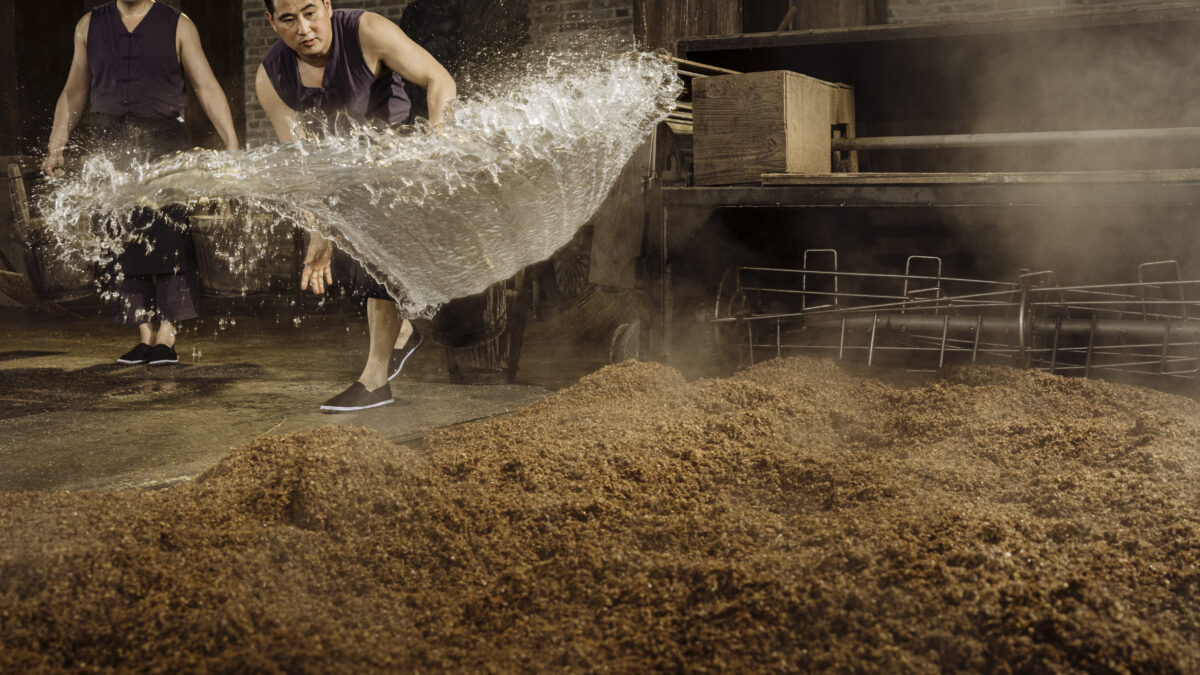
Unlike almost every Western spirit, baijiu is produced through solid-state fermentation and distillation. Liquid mash never sees the inside of a tank. Instead:
- High-starch red sorghum is steamed.
- It is mixed with Qu (the microbial “starter” unique to each region).
- The solid mixture is heaped into pits or piled on the ground, sometimes three metres high, and left to ferment for weeks or months.
- The fermented cake is then loaded into tall stills and steamed; only the vapour is captured and condensed.
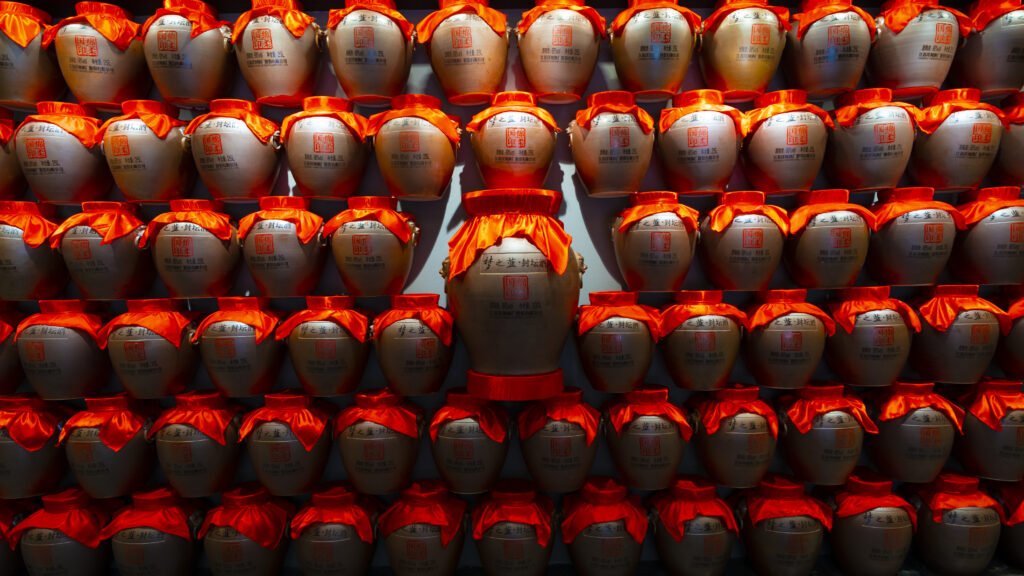
The result is a spirit that can range from 38% to a blistering 65% ABV, carrying hundreds of aroma compounds; pineapple, banana, soy sauce, mushroom, blue cheese, wet earth…depending on the local microbes and the length of ageing in earthenware jars.
The four official aroma families are:
- Sauce (Jiang Xiang) – deep umami, soy, truffle (Moutai, Zhenjiu)
- Strong (Nong Xiang) – tropical fruit, funk (Yanghe, Luzhou Laojiao)
- Light (Qing Xiang) – crisp apple, floral
- Rice (Mi Xiang) – gentle steamed-rice sweetness
THE BIG NAMES YOU’LL FIND ON AUSTRALIAN SHELVES
KWEICHOW MOUTAI
Sauce aroma
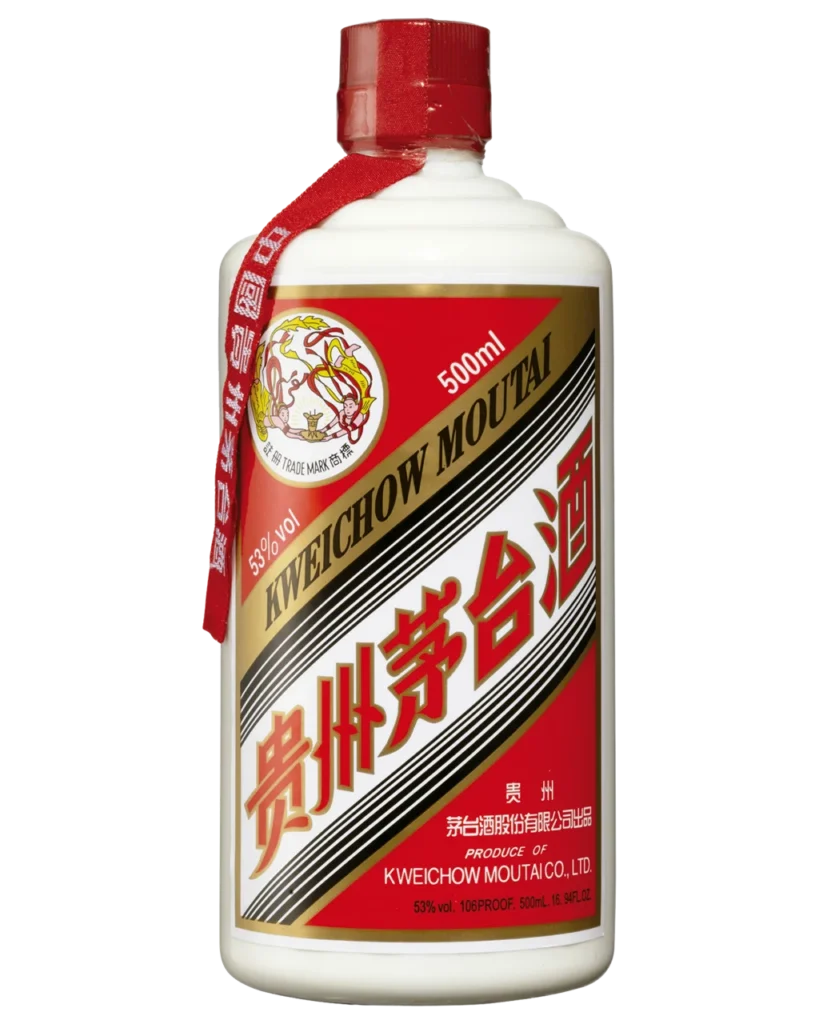
The undisputed king. The classic “Flying Fairy” 53% is the bottle you see in duty-free and high-end Asian grocers (around A$400–500). It is the benchmark sauce-aroma baijiu: soy, dried plum, toasted nuts, and a silky, endless finish.
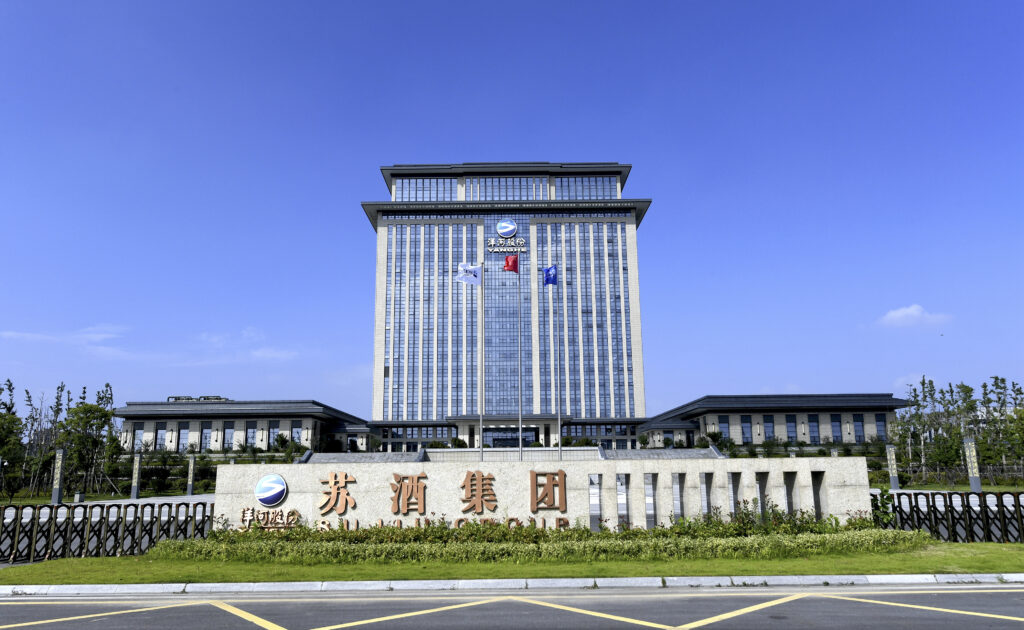
YANGHE DISTILLERY (JIANGSU)
Strong aroma
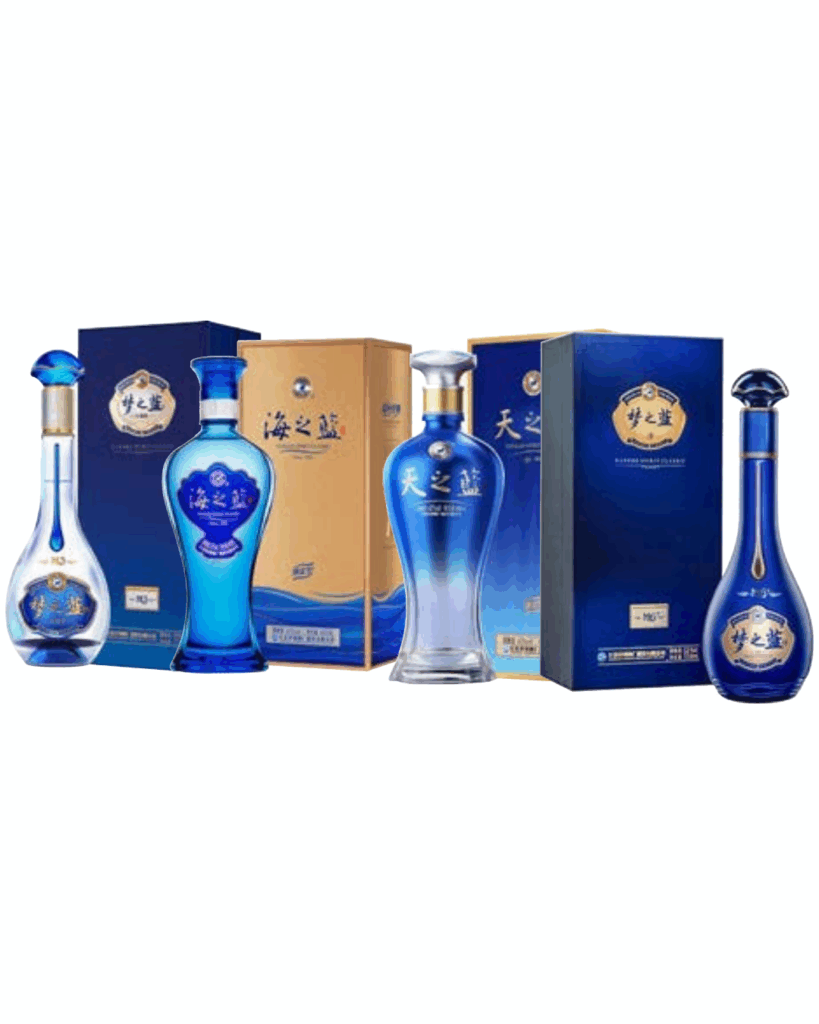
The Ocean Blue (Haizhilan), Sky Blue (Tianzhilan), and Dream Blue (Mengzhilan) series dominate the mid-price segment in China. Ocean Blue alone sells over 100 million bottles annually at home and is now the most approachable entry point in Australia. There are two varients: the 42%abv which retails for $79.99 and the 52% abv at $89.99.
LUZHOU LAOJIAO – NATIONAL CELLAR 1573 (SICHUAN)
Strong aroma
Fermented in 450-year-old pits that have been in continuous use since 1573 (UNESCO-protected), Guojiao 1573 is China’s other true prestige brand alongside Moutai and Wuliangye. It is also the second most widely distributed premium baijiu in Australia — Dan Murphy’s, Liquorland, First Choice, and virtually every Asian grocer. Since 2018, Luzhou Laojiao has been the official baijiu partner of the Australian Open, renaming Court 3 the “1573 Arena” and running the annual China Challenge amateur tournament. Luzhou Laojiao can range from $69.99 at the entry level right through to the more premium 1573 with at RRP of $400+.

KWEICHOU ZHENJIU (GUIZHOU)
Sauce aroma
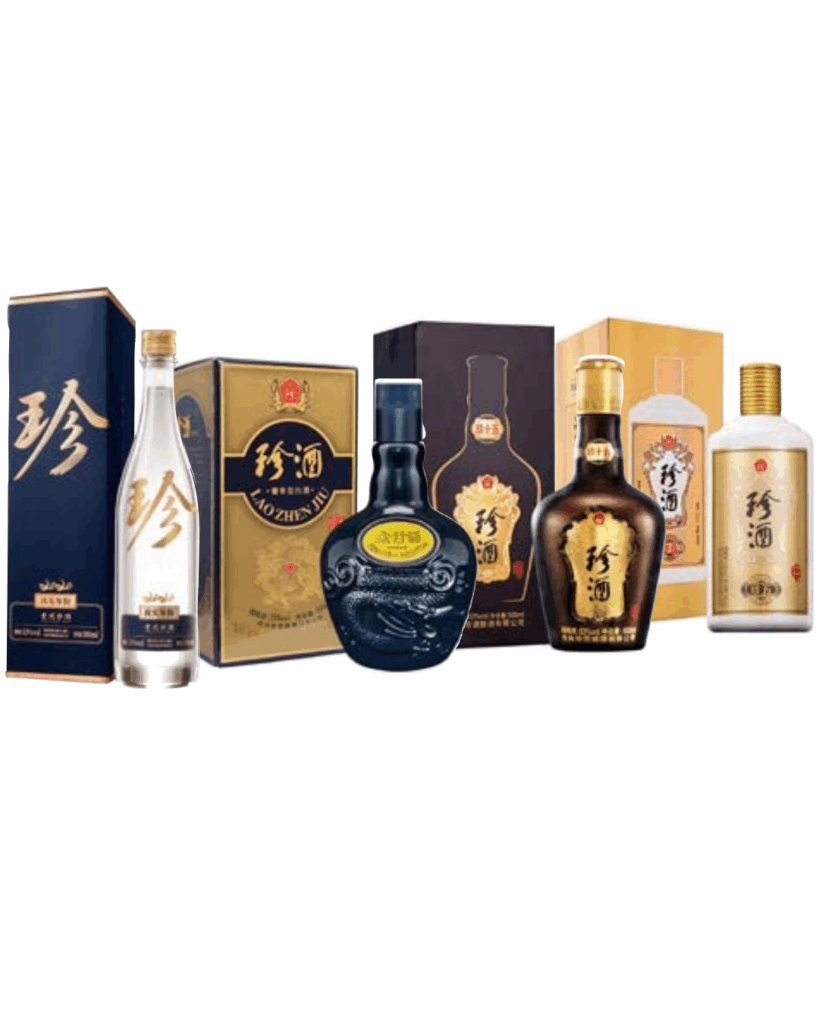
One of the top three sauce-aroma producers in Guizhou province, Zhenjiu was appointed in 1975 as an official test distillery for Moutai itself. Its parent company, ZJLD Group, listed on the Hong Kong Stock Exchange in 2023, one of the very few publicly traded premium sauce-aroma brands. Zhenjiu entry level retails from: $79.99 and is available from Dan Murphy’s Online, Independent Bottle Shops and Licensed Asian Grocery stores.
THE AUSTRALIAN OPPORTUNITY
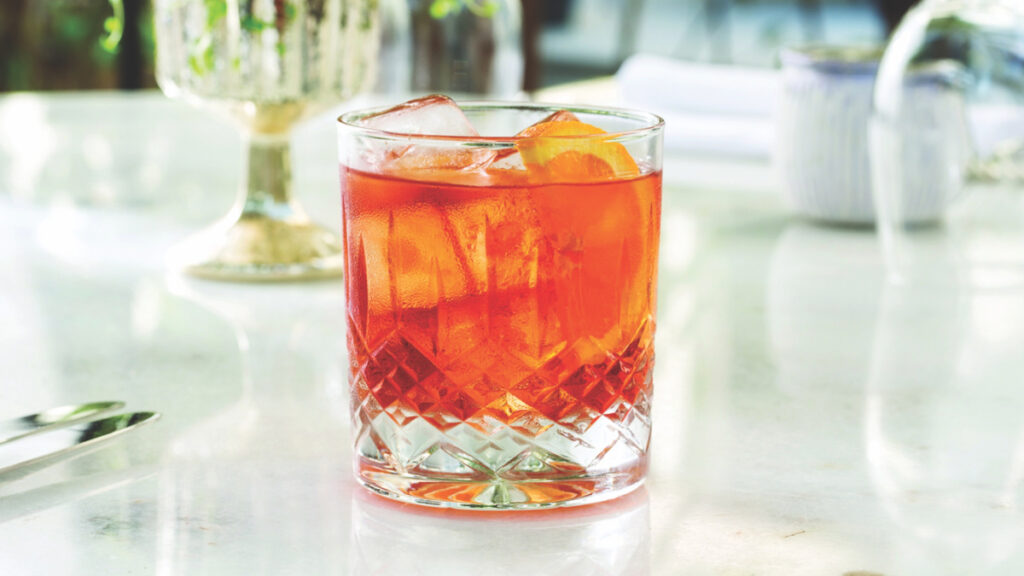
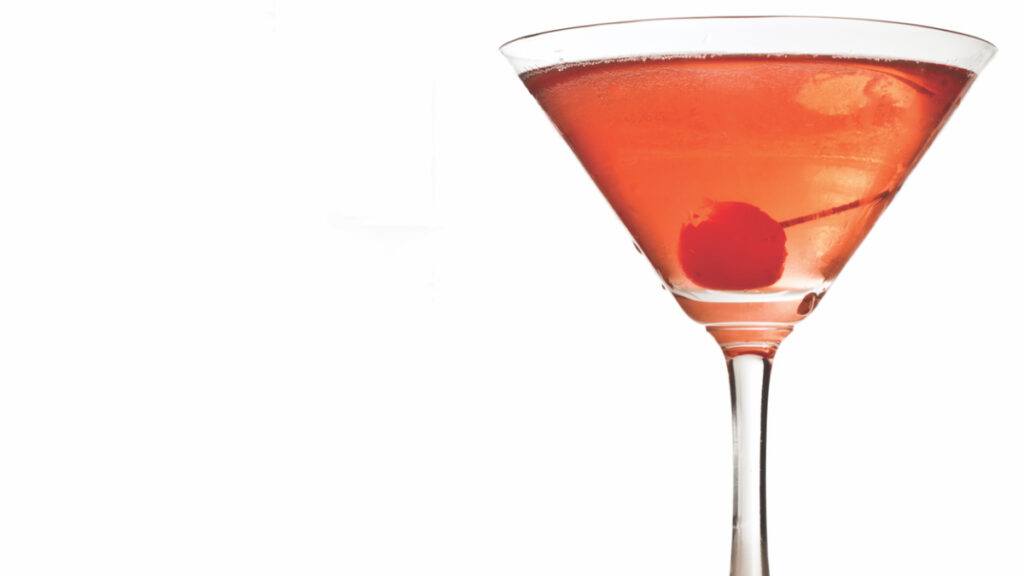
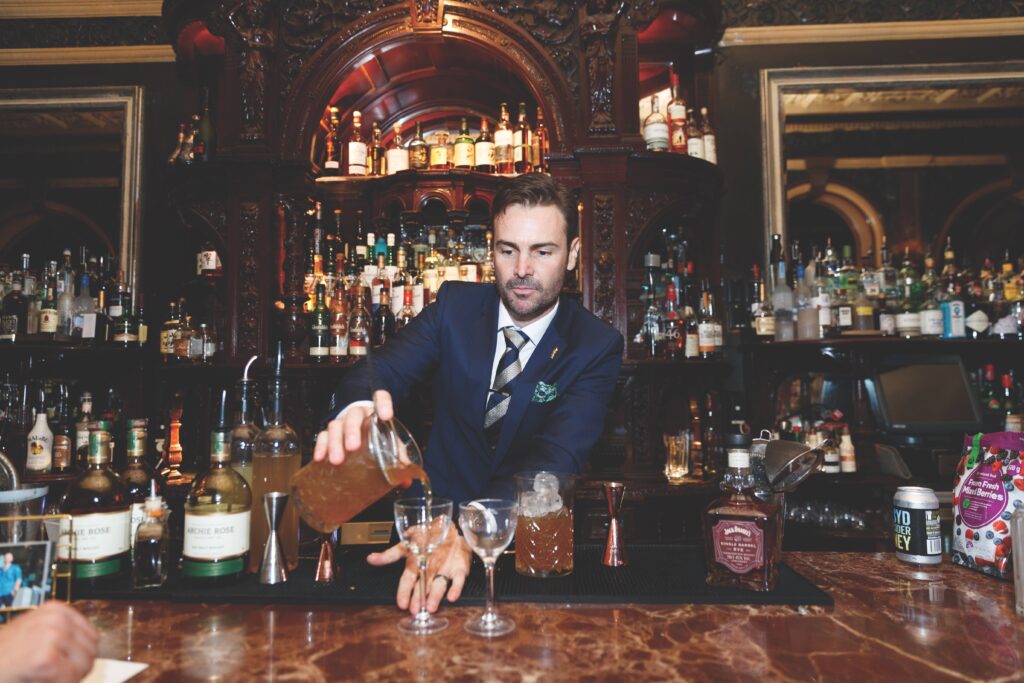
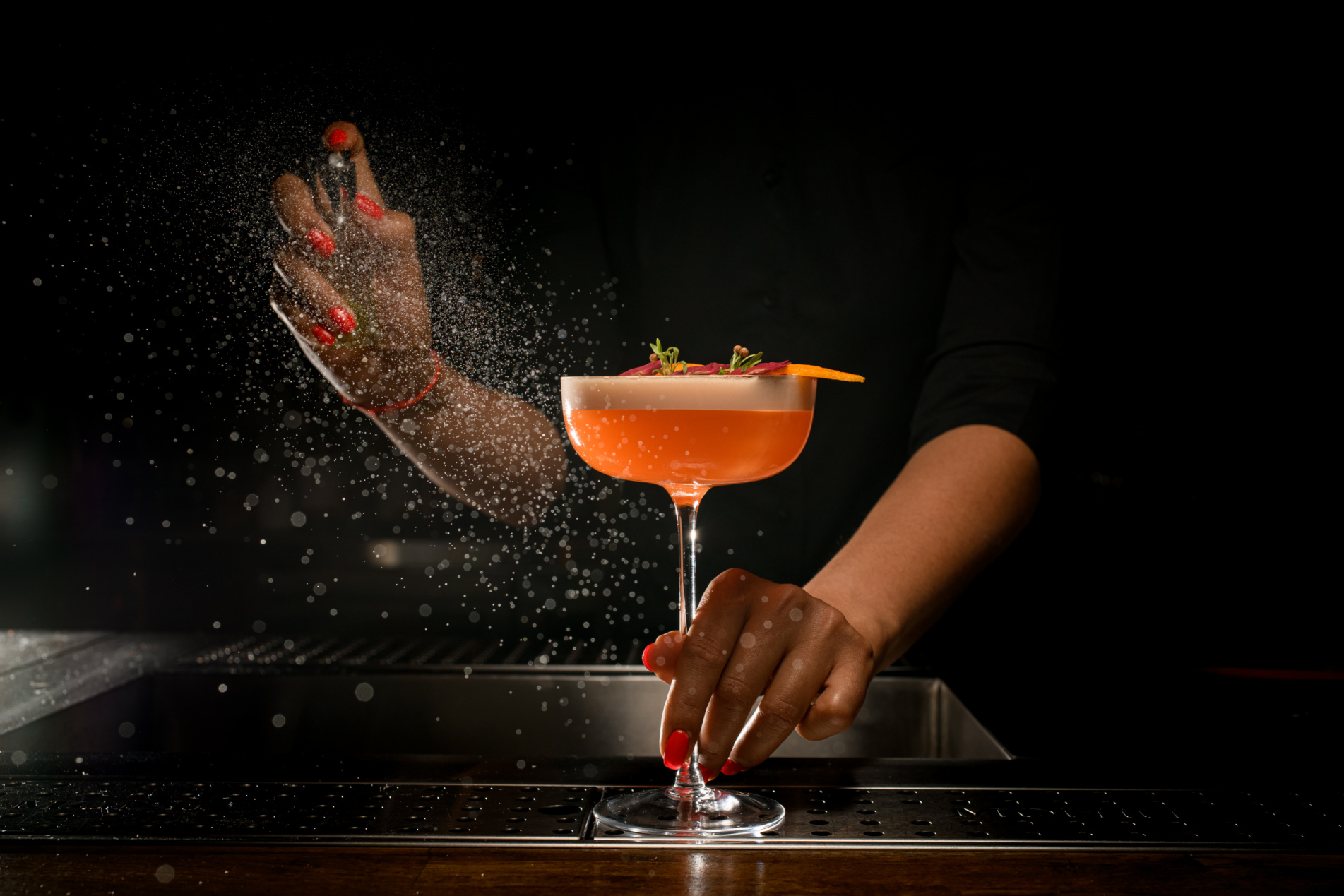
Australia’s Chinese demographic is the fastest-growing migrant community. Premium spirits grew 15% in value last year; consumers are chasing authentic, story-rich bottles. Baijiu is already the default spirit at tens of thousands of Chinese restaurants and homes across the country. Despite the compelling numbers, penetration remains tiny compared to western spirits such as whisky or gin. That gap is the opportunity. Bartenders are experimenting: baijiu highballs with yuzu and soda, clarified milk punches, umami old-fashioneds. Venues such as Sydney’s Maybe Sammy, Melbourne’s Byrdi, and Perth’s Sneaky Tony’s have permanent baijiu cocktails. Luzhou Laojiao’s Australian Open partnership reaches millions of mainstream viewers every January, and Moutai is investing heavily in breaking down the barriers for Australian bartenders with their Enter the Dragon cocktail competition offering a $10,000 first prize, the equal of Diageo’s World Class.
Sorghum, baijiu’s primary grain, is already grown commercially in Queensland and northern NSW. A handful of visionary distillers are quietly trialling small-batch Australian baijiu using local grain and imported Qu. If even one of them cracks the code, the category could explode.
HOW TO DRINK IT LIKE YOU MEAN IT
Traditional way: tiny ceramic cups, always filled to the brim by someone else, “Ganbei!” (dry cup) — bottoms up, flip the cup to prove it’s empty. Respect is shown by holding your liquor and your composure.
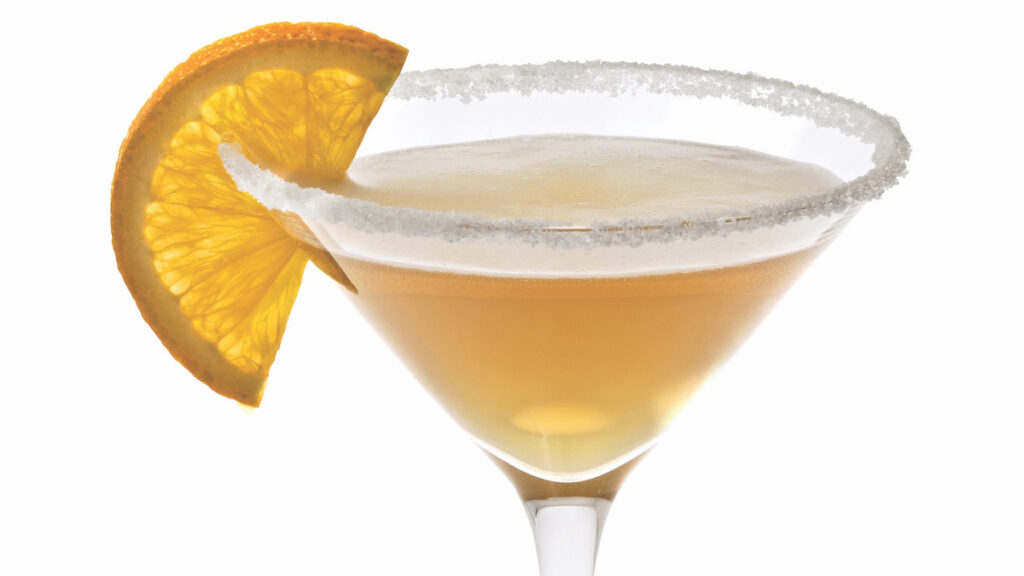
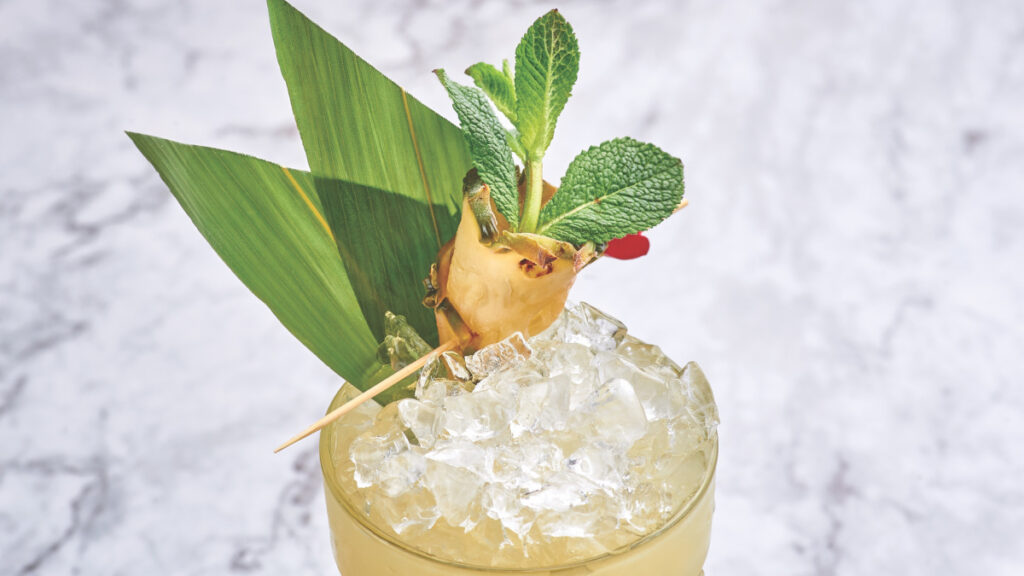
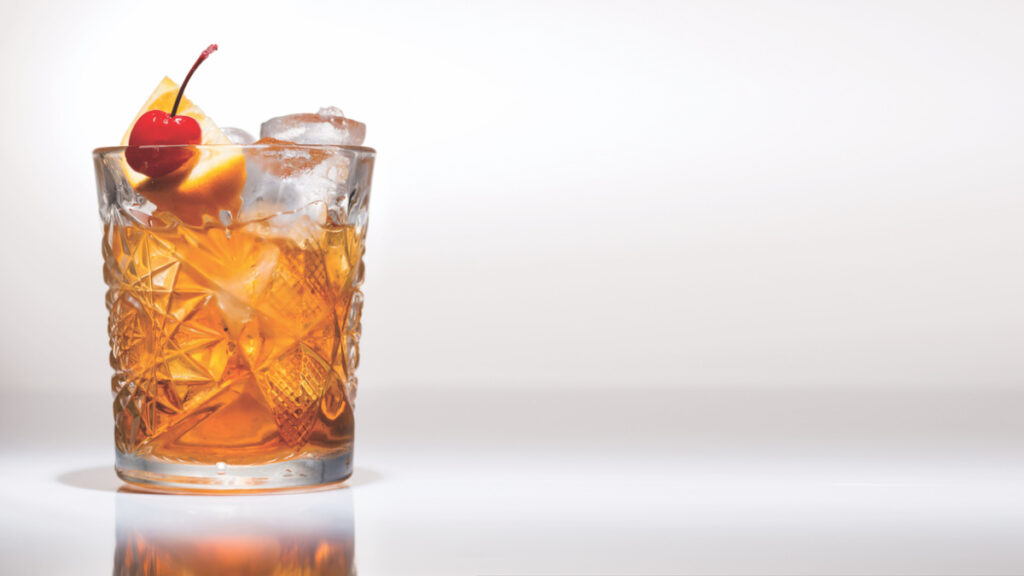
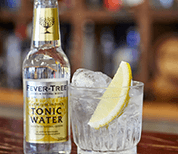
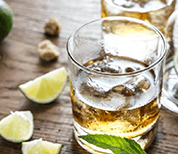
Modern way: 30–40 ml over hand-cracked ice with a splash of soda and a twist of citrus, or shaken into a sour with fresh pineapple and lime. The high proof and complex esters stand up to bold flavours in a way vodka never could.
THE NEXT CHAPTER
Baijiu is not coming to Australia; it is already here. It sits on the back bar of your local dumpling house, sponsors the tennis you watch every summer, and is stocked at the same chain that sells your weekend gin. What began as a ritual offering 9,000 years ago has survived empires, revolutions, and globalisation. Now it asks only one thing of us: take a small cup, say “Ganbei!”, and taste 9,000 years of history in a single fiery, fragrant sip.
The mystery is over. The journey is just beginning.